Proper Disposal of Unwanted and Expired Pharmaceuticals: A Comprehensive Guide
Learn how to dispose of unwanted and expired pharmaceuticals safely. Explore methods such as drug take-back programs, mail-back services, and disposal kiosks. Ensure proper pharmaceutical waste management to prevent misuse and environmental contamination.
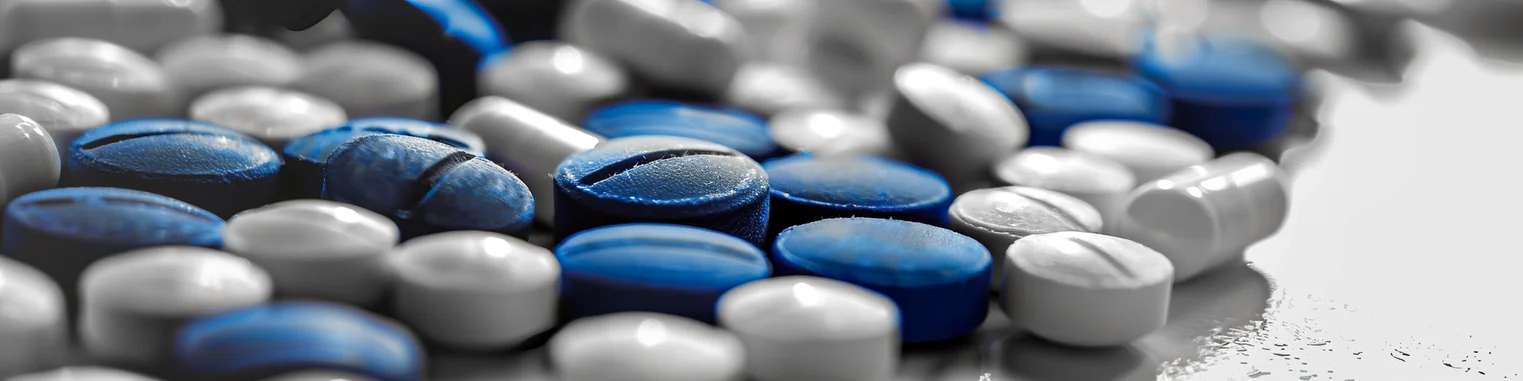
Unwanted and expired pharmaceuticals pose risks to public health and the environment if not handled properly. From preventing drug misuse to avoiding environmental contamination, it is essential to know the right disposal methods for medication waste.
Disposal Methods for Unwanted and Expired Pharmaceuticals
Drug Take-Back Programs Many pharmacies and community centers provide safe disposal services for expired or unused medications. These programs ensure that pharmaceuticals are disposed of responsibly.
- Example: Permanent drop-off locations at local pharmacies or community take-back events.
Mail-Back Programs Some pharmacies and government initiatives offer mail-back services, providing consumers with pre-paid envelopes to return their medications for safe disposal.
- Example: Mail-back services provided by participating pharmacies.
Medication Disposal Kiosks Specialized kiosks are available in some pharmacies or healthcare facilities for secure disposal of medications.
- Example: Kiosks at large pharmacy chains, where customers can drop off unused or expired drugs.
Incineration for Hazardous Drugs Hazardous or controlled substances require incineration for complete and safe destruction.
- Example: Controlled substances like opioids that need to be incinerated.
Preparing Pharmaceuticals for Disposal
Remove Personal Information Before disposal, make sure any labels with personal information are removed or obscured to protect your privacy.
- Example: Removing or marking out personal details on prescription bottles.
Proper Container Use Follow any specific guidelines provided by the disposal program to ensure medications are securely contained.
- Example: Using tamper-proof containers for drug take-back programs.
What Not to Do
Avoid Flushing Medications Flushing pharmaceuticals can result in water contamination, harming aquatic ecosystems and entering drinking water supplies.
- Example: Flushing medications can release chemicals into rivers and lakes.
Do Not Throw in Regular Trash Disposing of medications in household trash can lead to accidental ingestion or misuse. It can also contribute to soil contamination as pharmaceuticals leach into the environment.
- Example: Pills thrown into regular trash may be retrieved or mishandled.
Regulations and Compliance
Local and National Guidelines It’s crucial to follow national and local guidelines for pharmaceutical disposal to stay compliant and avoid legal issues.
- Example: Adhering to Environmental Protection Act guidelines for pharmaceutical waste.
Healthcare Facility Policies Hospitals and clinics must follow strict protocols to handle pharmaceutical waste safely and efficiently.
- Example: Policies within hospitals for managing expired medications.
Conclusion: Ensuring Safe Disposal of Pharmaceuticals
Proper disposal of unwanted and expired medications is essential for public health and environmental safety. Utilize take-back programs, mail-back services, and disposal kiosks to ensure medications are discarded securely and in compliance with regulations.